




How often does fixed wiring need testing?
Fixed wiring is checked with an electrical installation condition report (EICR). IET guidance recommends no more than five years between inspections for offices, shops and schools, and ten for an owner-occupied home. Landlords in England must have rented homes inspected at least every five years.
- Written by Matthew Shore, Founder
- Updated
- 1 min read
On this page
The recommended intervals
These are the longest gaps between inspections that the IET's Guidance Note 3 recommends. The inspector can recommend a shorter one, based on the age, condition and use of the installation.
| Type of building | Longest interval |
|---|---|
| Offices and shops | 5 years |
| Schools and colleges | 5 years |
| Industrial units | 3 years |
| Owner-occupied homes | 10 years |
| Rented homes in England | 5 years, by law |
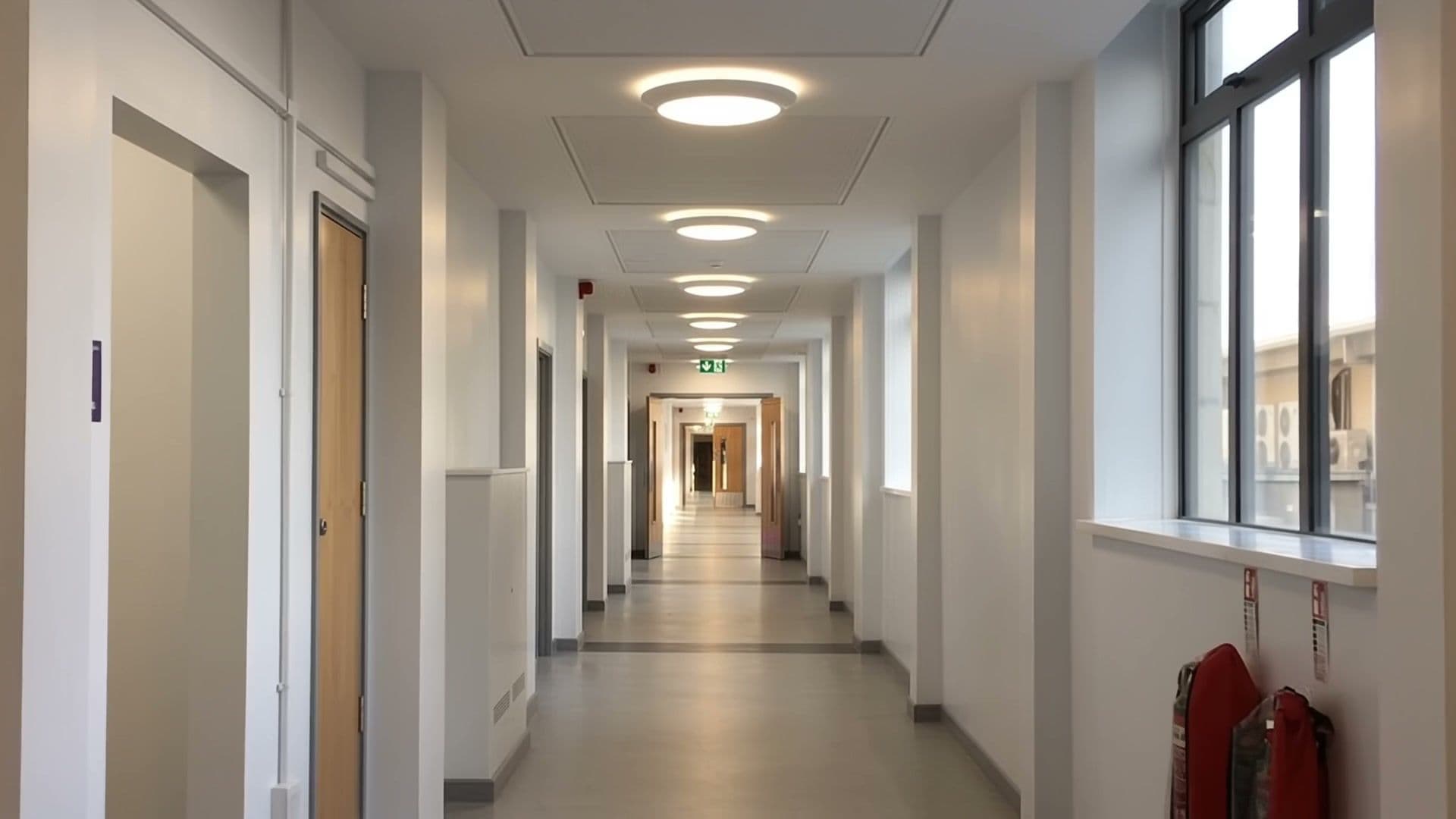
Two floors of NESCOT's North Wing rewired in 10 weeks for Trevor Blake, with zero defects at handover and further contracts awarded since.
Rented homes in England
Landlords in England must have the electrical installation in a rented home inspected and tested at least every five years, and give their tenants a copy of the report.
Warning
If the report says remedial work or further investigation is needed, the landlord has 28 days to have it done, or less if the report says so.
What sets the next date
The report itself. The inspector records when the next inspection is due, which can be sooner than the longest interval when an installation is older, heavily used or in poor condition.
Questions
How often do landlords need an EICR?
In England, private landlords must have the installation inspected and tested at least every five years, give tenants a copy, and fix any issues the report says are required.